

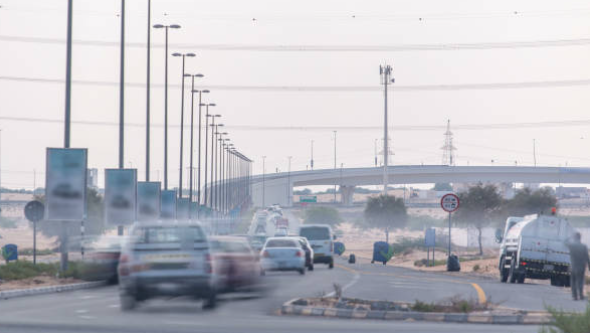
Learning defensive driving techniques is important for all drivers, especially those getting ready for the Ajman driving test. These skills are about more than just handling a car; they're about being prepared for any dangers on the road. For example, keeping a safe distance from the car in front of you lets you react quickly if they suddenly stop. By regularly checking the road for hazards like pedestrians or debris, you can avoid accidents before they happen.
It's also crucial to stay calm and make smart decisions when unexpected things occur, like sudden lane changes or bad weather. Mastering these techniques helps new drivers feel more confident and safe on Ajman's roads.
1. Maintaining a Safe Following Distance
It's really important to keep a safe distance between your car and the one in front while you're driving. This is called the "two-second rule" or "three-second rule." It gives you enough time to react if the car ahead suddenly slows down or stops. To use this rule, pick something like a road sign or a tree in front of you. When the car ahead passes it, start counting. You should pass the same thing at least two or three seconds later.
Make sure to adjust your following distance depending on things like the weather, road conditions, and how fast you're driving. This helps you have enough space to stop safely and avoid getting into accidents. Following the two-second or three-second rule makes driving safer for you and others on the road.
2. Scanning the Road
Always keep your eyes moving while driving to stay aware of what's happening around you. This means regularly scanning the road ahead, checking your mirrors, and being mindful of blind spots. By doing this, you can spot potential hazards early and react quickly if needed. Look out for pedestrians crossing the street, cyclists sharing the road, or vehicles merging into your lane.
Being proactive and vigilant helps you anticipate dangers and take appropriate measures to stay safe on the road. So, make it a habit to continuously scan your surroundings while driving, ensuring you're prepared for whatever comes your way.
3. Being Alert and Vigilant
When you're behind the wheel, it's crucial to stay focused and avoid distractions that can divert your attention from the road. Keep your eyes firmly fixed on the road ahead, your hands securely on the steering wheel, and your mind fully engaged in the task of driving.
Refrain from using your mobile phone, adjusting the radio, or engaging in any activities that might take your attention away from driving. Even brief distractions can significantly increase the risk of accidents, so it's essential to prioritize safety by maintaining your focus on the road at all times. By staying attentive and avoiding distractions, you can better predict and respond to potential hazards, ensuring a safer driving experience for yourself and others on the road.
4. Predicting Other Drivers' Moves
It's crucial to observe the behavior of other drivers on the road and predict their actions to ensure your safety. Keep an eye out for signs of unpredictable driving, such as sudden lane changes, tailgating, or aggressive maneuvers. By being vigilant and proactive, you can adjust your driving accordingly to avoid potential collisions and maintain a safe distance from drivers who exhibit unpredictable behavior.
Remember to stay alert and ready to react to any unexpected movements from other vehicles to minimize the risk of accidents.
5. Avoiding Road Rage and Aggressive Driving
It's important to stay calm and patient while driving, especially in tough situations on the road. Instead of getting angry or arguing with aggressive drivers, it's better to stay calm and focused on driving safely. Don't speed, follow too closely, or weave in and out of traffic, because these things can make the situation worse and might cause accidents.
By staying calm and patient, you can drive safely through traffic and lower the chance of fights or dangerous situations with other drivers. Remember, the most important thing is to get to your destination safely, so it's important to be patient and calm while driving to keep everyone safe.
6. Following Traffic Rules and Speed Limits
Always follow traffic laws, signals, and speed limits while driving. Adhering to these regulations is essential for ensuring road safety and preventing accidents. Driving within the posted speed limits is particularly crucial as it allows you to maintain better control of your vehicle and react effectively to unexpected situations.
By obeying traffic laws and speed limits at all times, you not only reduce the risk of collisions but also contribute to creating a safer driving environment for yourself and others on the road.
7. Using Turn Signals and Signaling Intentions
It's crucial to always use your turn signals to communicate your intentions while driving. Whether you're changing lanes, making turns, or merging into traffic, signaling your actions alerts other road users to your next move, enhancing overall safety on the road.
Clear communication helps prevent misunderstandings and reduces the risk of collisions, as other drivers can anticipate your maneuvers and adjust their driving accordingly. By consistently using your turn signals, you contribute to a smoother and more organized flow of traffic, promoting safer driving conditions for everyone.
8. Adjusting to Weather and Road Conditions
It's important to adjust how you drive depending on the weather and road conditions. If it's raining or foggy, slow down and be careful. Driving slower helps you control your car better and reduces the chance of sliding on wet roads.
Moreover, give more space between your car and the one in front of you because it might take longer to stop. When it's hard to see because of fog or heavy rain, turn on your headlights so other drivers can see you better. By changing how you drive to match the weather, you can make sure you stay safe on the road.
9. Staying Alert and Avoiding Fatigue
It's really important to stay safe by never driving after drinking alcohol, taking drugs, or using medications that make you feel weird. These things can make it hard for you to control the car, react quickly, and make good decisions, which could put you and other people in danger.
Besides, it's not safe to drive when you're feeling very tired or sleepy because it can make it hard to pay attention and react quickly if something unexpected happens. If you're feeling tired, it's best to take a break and rest before driving again. By avoiding alcohol, drugs, and fatigue, you can make sure you're in the best shape to drive safely and keep everyone on the road safe.
10. Taking Defensive Driving Courses
If you want to level up your driving skills and knowledge, think about signing up for a defensive driving course. These courses are designed to teach you important techniques like defensive driving, how to spot hazards and ways to avoid accidents.
You'll learn valuable tips and tricks that can help you become a safer driver on the road. By taking a defensive driving course, you'll gain confidence behind the wheel and reduce your risk of getting into accidents. Plus, many insurance companies offer discounts to drivers who complete these courses, so it's a win-win!
By using these defensive driving tips every time you're behind the wheel, you're not just reducing the chance of accidents, but you're also keeping yourself and others safe on the road. Making safety a priority means keeping a good distance from the car in front of you, watching out for any possible dangers, and staying focused on driving.
Following these steps helps make the roads safer for everyone. Remember, driving safely is something we all have to do together, and by using these defensive driving techniques, you're doing your part to make sure our roads are safer for everyone.
Notes
- Authority:Ajman driving authority
Location
ajman