


For new drivers just starting to drive in Saudi Arabia, one of the most important things to learn is how to park safely and well. Parking is really important because it helps keep traffic moving smoothly and makes the roads safer for everyone. Whether you need to park in a tight spot on a busy street or back into a driveway smoothly, knowing how to park properly makes you feel more confident as a driver.
In this guide, we'll talk about the main parking skills new drivers in Saudi Arabia should learn. By practicing these skills, you'll be able to park easily and safely in different situations. Whether it's parallel parking, parking at an angle, or finding a spot in a crowded parking lot, learning these techniques will help you become a better and safer driver. Let's look at the important parking skills that every new driver should work on to drive confidently and safely in Saudi Arabia.
Parallel Parking
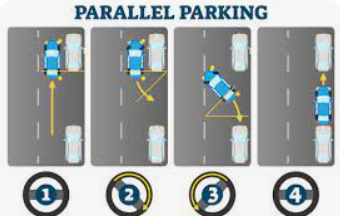
Parallel parking is something many drivers have to do, especially when parking next to the sidewalk on a street. Here's how you can do it well:
Approach the Spot
Drive up next to the parking spot, making sure your car is lined up parallel to the car in front. Leave some space, about two to three feet, between your car and theirs.
Start Reversing Slowly
Begin to slowly reverse your car while turning your steering wheel towards the roadside. Keep an eye on your side and rearview mirrors to make sure you're not getting too close to the roadside or any obstacles.
Straighten Out
When your car starts to angle towards the sidewalk, straighten your wheels once your back bumper is about even with the other car's back bumper.
Finish Parking
Keep backing up until your car is parallel to the sidewalk, leaving enough space behind your car. Once you're parked, use your parking brake and turn on your turn signals to show others you're done parking.
Parallel parking is super important for new drivers in Saudi Arabia because there are lots of people and not much parking space in cities like Riyadh and Jeddah. Learning how to parallel park helps drivers use small spaces better and drive confidently in busy areas. Plus, passing the driving test often depends on parallel parking skills, so it's a must-have for getting a license. Being good at parallel parking shows that new drivers can handle traffic safely, making roads safer for everyone.
Perpendicular Parking
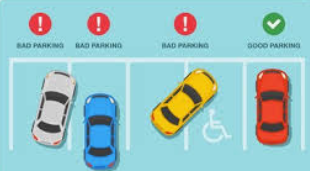
Approach the Parking Space Carefully
Begin by driving slowly and ensuring there's enough space to maneuver into the parking spot.
Line Up Your Vehicle Parallel to the Parking Space
Signal your intention to park and position your car parallel to the designated parking spot.
Turn Your Steering Wheel Sharply
Depending on the direction of the parking space, turn your steering wheel sharply to the right or left until your car is at a 90-degree angle to the curb or parking lines.
Straighten Your Wheels
As you approach the final position, straighten your wheels to ensure your car is evenly positioned within the parking space.
Use Your Mirrors for Guidance
Utilize your side and rearview mirrors to help you gauge your position and alignment within the parking space.
Practice Regularly
Keep practicing perpendicular parking to improve your skills and efficiently utilize parking spaces.
Perpendicular parking holds significant importance in Saudi Arabia, especially for new drivers. With limited parking spaces and crowded urban areas, mastering perpendicular parking is essential for efficiently utilizing available parking spots.
In cities like Riyadh and Jeddah, where finding parking can be challenging, being adept at perpendicular parking allows drivers to maximize space utilization and navigate tight parking areas with ease. For new drivers, learning this skill early on enhances their confidence and ensures they can park securely in various urban settings, contributing to smoother traffic flow and safer parking practices overall.
Angle Parking
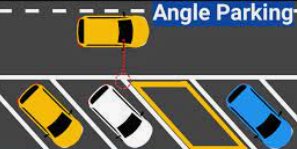
Angle parking is an essential skill for drivers, particularly in situations where space is limited or where parallel parking is not feasible. Here are the key points highlighting the importance of angle parking and how to do it effectively.
Now, here's how to effectively perform angle parking:
Approach at an Angle
When approaching the parking space, begin by positioning your vehicle at a slight angle to the parking spot. This angle should allow you to smoothly maneuver into the space without the need for excessive turning.
Check Surroundings
Before proceeding, check for any pedestrians, cyclists, or oncoming vehicles. Ensure there is sufficient space for your vehicle to enter the parking space without obstructing traffic or endangering others.
Align with Parking Lines
As you approach the parking space, aim to align your vehicle parallel to the parking lines on one side. This alignment will guide you as you enter the space diagonally.
Slowly Park
Slowly drive forward into the parking space, turning the steering wheel to guide your vehicle toward the center of the space. Maintain a steady speed and be mindful of your surroundings.
Adjust Position if Needed
Once your vehicle is within the parking space, adjust your position as necessary to ensure you are properly centered and not encroaching on neighboring spaces.
Double-Check
Before you leave your car, make sure it's parked straight and not blocking anyone else's spot or the road.
Practice these steps, and soon you'll be a pro at angle parking, making parking safer and easier for everyone.
Backing into Parking Spaces

Backing into parking spaces means driving your car in reverse to park. It's important because it helps you see better when leaving the spot later. Here's how to do it
Approach Slowly
Drive slowly towards the parking space you want to back into.
Check Around
Look all around to make sure it's safe to back up. Watch for other cars, people, or obstacles.
Signal
Let other drivers know you're backing up by using your turn signal.
Start Reversing
Put your car in reverse gear. Slowly start backing up while looking over your shoulder and using your mirrors to guide you.
Turn the Wheel
As you back up, turn the steering wheel to guide your car into the parking space. Keep an eye on where you're going.
Straighten Out
Once your car is in the space, straighten out the steering wheel to make sure you're parked straight.
Check Position
Double-check that you're centered in the parking spot and not too close to other cars.
Notes
- Authority:Saudi Arabia driving authority
Location
saudi-arabia
Hill Parking

Hill parking means parking your car on a slope, whether it's facing uphill or downhill. It's important to use the parking brake properly to stop your car from rolling, especially on steep hills. Proper hill parking prevents strain on your car's transmission, brakes, and tires, saving you from costly repairs.
Here's why hill parking is important and how to do it
Stop
When parking on a hill, come to a complete stop at a safe spot.
Turn Wheels
If facing uphill, turn your front wheels away from the sidewalk or towards the roadside if there's no sidewalk.
Apply Parking Brake
Pull the parking brake lever or press the parking brake pedal firmly to secure the car in place.
Shift to Park or Gear
Put your car in "Park" if it's an automatic transmission or in first gear if it's a manual transmission.
Check Position
Double-check that your car is securely parked without any rolling.
Exit Vehicle
Leave the car, ensuring it's safe to do so and lock it if necessary.
Parking in Tight Spaces

Practicing parking in tight spots, like busy parking lots or narrow streets, helps you avoid hitting things and stay safe around other cars.
Go Slow
Approach the parking spot slowly, giving yourself plenty of time to maneuver.
Use Mirrors
Check your mirrors and look over your shoulder to see the space and any obstacles around you.
Turn Carefully
Turn the steering wheel smoothly and gently to fit your car into the space without hitting anything.
Adjust as Needed
If you need to, stop and adjust your position to make sure you're parked safely and straight.
Leave Space
Leave some space between your car and the ones next to you to make it easier for everyone to get in and out.
Practicing parking in tight spots is crucial for avoiding accidents, maximizing parking capacity, and saving time. By approaching slowly, using mirrors effectively, turning carefully, adjusting as needed, and leaving space, you can improve your skills and confidence in parking in crowded areas. Remember, practice makes perfect, so keep at it, and you'll become more proficient at parking in tight spaces over time.
Parking Maneuvers in Traffic

Learning to safely park in traffic means knowing how to stop by the side of the road or parallel park on a busy street. Use your turn signals and mirrors to show other drivers what you're doing. It's important because it keeps traffic moving smoothly and avoids accidents. Here's how to do it:
Use Signals
Let other drivers know you're parking by using your turn signals.
Check Mirrors
Look in your mirrors to make sure it's safe to park and that you're not blocking anyone.
Pull Over Safely
If you're stopping by the side of the road, slow down and find a safe spot to pull over, away from traffic.
Parallel Park
If you're parallel parking on a busy street, find a space big enough for your car. Signal, check your mirrors, and carefully back into the space.
Straighten Out
Once you're parked, adjust your position so you're straight and not sticking out into traffic.
Be polite
Leave enough space for other cars to pass and don't block driveways or intersections.
Practice these steps to park safely in traffic and keep things moving smoothly for everyone.
Parking Rules
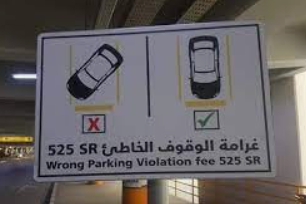
Understanding parking lot etiquette is important to make sure everyone has a smooth and safe time. This means letting pedestrians cross by stopping for them. Also, it's important to park only in the spots marked for parking and not take up extra space. Avoiding double parking or blocking others is also crucial because it can annoy other drivers. By following these simple rules, we can all make parking lots more organized and friendly for everyone.
Parking Assist Systems
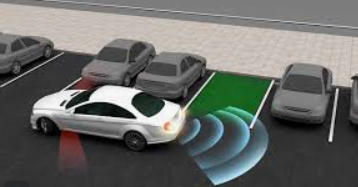
If your vehicle has parking assist systems like rearview cameras or parking sensors, it's important to learn how to use them well. These tools can help with parking by giving you better visibility and awareness of your surroundings.
Rearview cameras show you what's behind your car, making it easier to park without bumping into things. Parking sensors beep or give warnings if you get too close to objects, helping you avoid accidents. By using these systems effectively, you can improve your parking skills and make parking safer for yourself and others.
It's really important for new drivers in Saudi Arabia to learn how to park well. By practicing things like parallel parking, angle parking, and parking in busy lots, drivers can get better at it. This helps them feel more confident and keeps the roads safer for everyone by making traffic flow smoothly.