

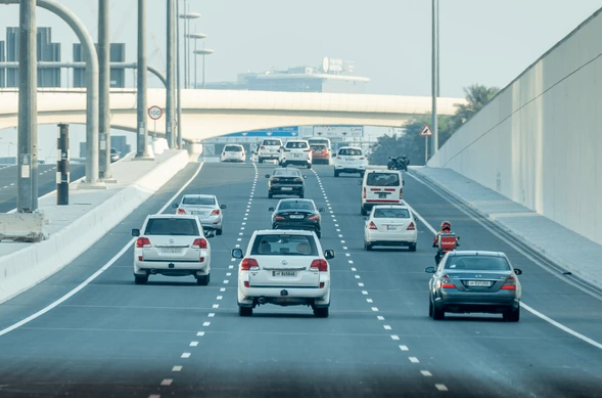
In Qatar, the driving test assesses your ability to drive safely in different traffic situations. Here's what you can expect:
Basic Driving Skills: You'll need to show that you can start, stop, turn, park, and reverse smoothly and safely.
Following Rules: You should obey traffic signs, signals, and road markings and demonstrate good lane discipline.
Interacting with Traffic: Drive in various traffic scenarios, including intersections and roundabouts, while being aware of other road users.
Speed Control: Maintain a safe speed according to road conditions and posted limits.
Observation Skills: Use mirrors, check blind spots, and stay aware of your surroundings.
Emergency Situations: Show you can respond to sudden hazards or emergency stops.
Parking: Show your ability to park correctly in different situations.
Knowledge of Traffic Laws: Understand and follow traffic rules and regulations.
By practicing these skills and understanding the rules of the road, you'll be well-prepared for your driving test in Qatar.
Notes
- Authority:Qatar driving authority
- Languages:English
- Tag: driving
Location
qatar
Follow these steps for your road test in Qatar
Understanding the Test
The Qatar driving test has four main parts:
- Road Sign Test (Signal Test): You'll need to recognize and understand road signs to show you know the rules of the road.
- L-Parking Test: This part is about parking your car neatly in an L-shaped space.
- Pocket Parking Test: This part checks your skill at parking in a tight spot.
- Road Test: This is where you drive in real traffic situations while an examiner watches.

- Get to the test center early, 30 to 45 minutes before your appointment, to avoid last-minute stress.
- Drink water and use the restroom to stay calm and focused.
- Dress neatly and avoid looking messy.
- Be positive and greet your examiner with a smile.
- Drive confidently at the right speed, not too slow or fast.
- Watch out for pedestrians at crossings and always stop for them.
- Follow road signs, even if there's no stop sign at a white line.
- Listen carefully to the examiner and do as they say.
- Check your blind spots before changing lanes.
- Merge onto main roads safely and avoid risky moves.
- After the test, put the gear in park or neutral and use the handbrake.
- Avoid sudden turns, braking, or swerving.
- Signal properly at roundabouts and exit with the right indicator.
- Know the routes near your driving school for confidence.
- Keep a safe distance from the car ahead, following the two-second rule.
- Check your mirrors, seat, and steering before starting the test.
Common mistakes that every candidate faces during their road test.

- Fail to Check the Mirrors: Keep an eye on your mirrors at all times to be aware of your surroundings and potential hazards.
- Forget to Use the Indicator: Use your indicators consistently and appropriately to communicate your intentions to other drivers.
- Avoid Stopping Mid-Road: Ensure you don't stop abruptly in the middle of the road unless absolutely necessary. Always look for safe stopping opportunities.
- Indicate and Stop Safely: When you need to stop, signal your intention and only come to a halt when it's safe to do so.
- Observe Speed Limits: Adhere to the speed limits of 50 km/h on streets and 80 km/h on highways. If there are specific signs indicating different speeds, follow those instructions instead.